
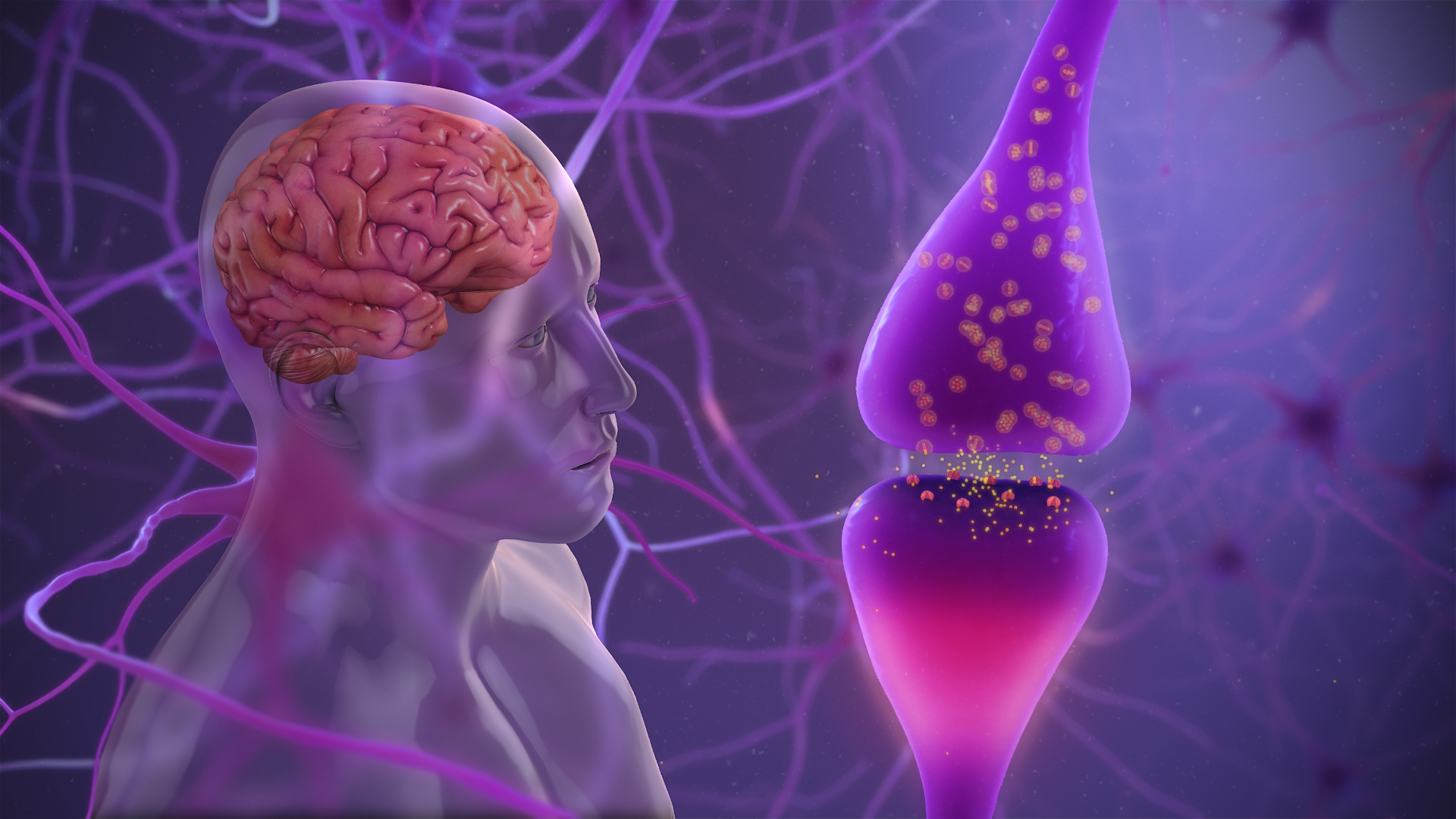
A cellular procedure, if undertaken, does not eliminate the need to work on movement. The nervous system still has to coordinate balance, strength, posture and purposeful activity, while the person continues adapting to the motor changes associated with Parkinson’s disease. This is where physical rehabilitation can become an important part of the broader care plan.
For people exploring Parkinson’s Disease stem cell treatment, rehabilitation should therefore be viewed as a separate but potentially complementary component of recovery and long-term functional management. Its purpose is not to prove that a cellular intervention has worked, but to help preserve and develop practical movement abilities under professional supervision.
Why Rehabilitation Remains Important
The brain learns through movement
Walking, turning, standing from a chair and reaching for an object all involve coordinated neural processes. Parkinson’s disease can disrupt these patterns through bradykinesia, rigidity, tremor and changes in postural control.
Physical therapy can provide structured opportunities to practice these movements. Repetition, appropriate challenge and feedback may help a person develop safer and more efficient movement strategies.
This remains relevant after any advanced intervention because functional improvement depends on more than changes occurring at the cellular level. The nervous system must translate biological changes, if they occur, into coordinated activity.
What a Rehabilitation Program May Include
Mobility comes first
A rehabilitation plan is normally individualized rather than based on a fixed routine. A physiotherapist may assess walking speed, balance, posture, muscle strength, transfers and the ability to perform everyday activities.
Depending on the person’s needs, sessions may incorporate:
- gait and walking practice
- balance exercises
- strength and flexibility work
- posture training
- coordination activities
- movement strategies for turning and changing direction
- exercises designed around everyday tasks
The intensity and timing should be adapted to the person’s condition and the instructions provided by the medical team.
The Early Period Requires a Measured Approach
Recovery is not a race
After a medical procedure, the body may need time to recover before more demanding physical activity is appropriate. The rehabilitation schedule should therefore be coordinated with the clinical team rather than determined solely by the patient’s expectations.
STEM PLUS operates within a clinical and biotechnology setting focused on cellular and regenerative medicine. Its work in this field can be explored through stemplus.clinic, while post-procedure activity should always follow the individualized recommendations of the responsible medical professionals.
During the early stage, the emphasis may be on safe mobility, maintaining basic physical function and gradually returning to appropriate activity.
Measuring Function Instead of Expectations
Small changes can be meaningful
One challenge in rehabilitation is distinguishing genuine functional change from normal day-to-day variation. Parkinson’s symptoms can fluctuate, and factors such as sleep, medication timing, fatigue and stress may affect performance.
For this reason, therapists may use practical measures rather than relying only on how a person feels on a particular day. Walking tests, balance assessments, movement observations and everyday functional tasks can provide a more consistent picture.
In Parkinson’s Disease care, this objective approach can be particularly valuable when rehabilitation follows an experimental or advanced intervention. It allows progress to be discussed using observable abilities rather than assumptions about what a cellular treatment should accomplish.
Beyond the Clinic: Everyday Movement
Rehabilitation needs to transfer into daily life
A successful exercise session has limited value if its benefits cannot be applied outside the therapy environment. Patients may therefore practice strategies that relate directly to daily activities.
Getting out of bed, navigating a narrow hallway, carrying objects, climbing stairs or turning while walking can all present different challenges. Therapists can adapt exercises to these situations and teach techniques designed to improve safety and confidence.
Home-based activity may also become part of the program, provided it is appropriate for the person’s physical condition.
How Long Should Rehabilitation Continue?
There is no universal timetable
The duration of rehabilitation depends on baseline mobility, disease stage, physical capacity and individual response. Some people may need intensive supervised therapy initially, followed by a maintenance program. Others may require longer-term support for specific difficulties.
It is also important to remember that cellular treatment does not guarantee neurological recovery. Research into Parkinson’s Disease cell therapy continues to investigate questions surrounding cell survival, neural integration and functional effects.
Rehabilitation should therefore remain focused on practical goals regardless of the outcome of cellular intervention.
Connecting Cellular Research With Functional Recovery
The relationship between cellular medicine and physical rehabilitation is an important reminder that neurological recovery is multidimensional. A laboratory intervention may target biological mechanisms, while rehabilitation addresses how a person actually moves through the world.
For Parkinson’s Disease patients, these perspectives can complement one another without being confused. Cellular research explores what might change within the nervous system; rehabilitation works with the abilities that can be observed and trained.
That distinction helps create realistic expectations. Whether the goal is maintaining independence, improving gait, strengthening balance or adapting to changing symptoms, structured physical therapy remains relevant even as new cellular strategies continue to be investigated.